

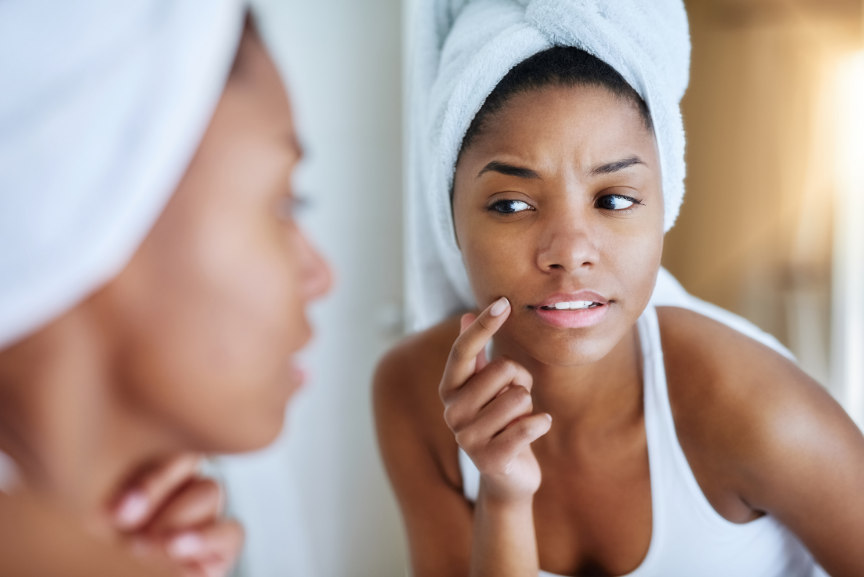
The holidays may be over, but for many people, the effects linger on their skin. In Washington, DC, dermatology providers often see an uptick in breakouts, rashes, redness, and flare-ups in the weeks following the holiday season. Late nights, stress, indulgent food and drinks, travel, and disrupted routines can all leave visible marks on the skin. As schedules begin to slow down, this is often when the skin finally signals that it needs attention.
Why Does Holiday Stress Cause Breakouts and Inflammation?
Stress triggers a rise in cortisol, a hormone that increases oil production and inflammation in the skin. When cortisol levels remain elevated for weeks, pores clog more easily and acne becomes harder to control. In Washington, DC, dermatology practices, post-holiday breakouts frequently appear along the jawline, cheeks, and forehead, areas closely tied to stress responses. Inflammation can also worsen existing conditions such as eczema, rosacea, and psoriasis.
Can Food and Alcohol After the Holidays Affect Your Skin?
Rich foods, sugar, and alcohol can disrupt the gut and increase systemic inflammation. These changes often show up as dullness, puffiness, redness, or painful blemishes. In dermatology offices in Washington, DC, dermatologists commonly connect post-holiday skin issues to dehydration, higher sodium intake, and blood sugar fluctuations. Even after normal eating resumes, the skin may need time and support to rebalance.
Why Does Skin Feel More Sensitive After the Busy Holiday Season?
Travel, cold weather, indoor heat, and skipped skincare routines weaken the skin barrier. Once the holidays end, people often notice stinging, dryness, or sudden sensitivity to products they previously tolerated well. Washington, DC, dermatology specialists emphasize that a compromised barrier allows irritants and bacteria to penetrate the skin more easily, fueling inflammation and breakouts.
When Should You See a Dermatologist for Post-Holiday Skin Issues?
If breakouts, redness, or irritation persist for more than a few weeks, it is time to seek professional care. A board-certified dermatologist can identify whether stress, inflammation, or an underlying condition drives the problem. Visit a trusted Washington, DC, dermatology practice early to help prevent long-term skin damage and scarring.
At 19th Street Dermatology, patients benefit from personalized care in a convenient location near the Golden Triangle and close to Dupont Circle. Treatment plans focus on calming inflammation, restoring the skin barrier, and addressing breakouts without unnecessary irritation.
How Dermatology Care in Washington, DC, Helps Skin Recover
Professional treatments, prescription therapies, and tailored skincare guidance help reset stressed skin. Dermatologists combine medical expertise with evidence-based treatments to support lasting improvement. In dermatology washington dc, early intervention often leads to faster healing and more resilient skin moving forward.
Start Fresh with Expert Washington, DC, Dermatology Care
The weeks after the holidays offer a natural time for reset. Schedule a consultation with 19th Street Dermatology, a leading practice and expert dermatologist for Black skin in DC. Located in the Golden Triangle near Dupont Circle and led by Sarika Snell, MD, FAAD, our team provides comprehensive medical and cosmetic dermatology. We treat patients of all ages, with advanced expertise in caring for skin of color. We combine evidence-based medicine with the latest aesthetic technology to help you look and feel your best. Visit our website or call 202-955-6995 to schedule your appointment today.
Frequently Asked Questions
Can stress cause skin inflammation even weeks later?
Yes. Prolonged stress can affect the skin barrier and immune response long after the stressful period ends.
How long does it take skin to recover from holiday stress?
Mild issues may resolve in a few weeks, but persistent inflammation often requires dermatologic care.
Should I change my skincare routine after the holidays?
A dermatologist can help simplify and adjust routines to repair the skin barrier safely and effectively.
Can a dermatologist help with both acne and redness?
Yes. Board-certified dermatologists treat acne, rosacea, eczema, and other inflammatory conditions together.